A Proverb on Central Asian Friendship

The first day we are friends, the second day we are brothers.

Afghan Oral Tradition

This proverb comes from Afghanistan. I came upon it years ago in a book by Dr. Christy Wilson, and I’ve never forgotten it. It resonates with my own experiences with Central Asians, who have often stunned me with their sacrificial hospitality and friendship.

My family does not live in Afghanistan. But tonight, as the capital, Kabul, falls to the Taliban, we are grieving for what this will mean for the local believers there – indeed what is has already meant for them and for many faithful gospel workers who have invested so much in that land.

Regimes will fall. Evil may temporarily win. But true gospel friendship – and the friendship of Christ himself – will outlast all of it. And every ounce of suffering for Christ will count, will be remembered, and will result in an eternal weight of glory beyond all comparison.

On the other hand, every action taken by the Taliban against an Afghan believer is an action taken against a friend of God, a brother or sister of the Messiah himself. He sees it all. And sooner or later, his justice is coming.

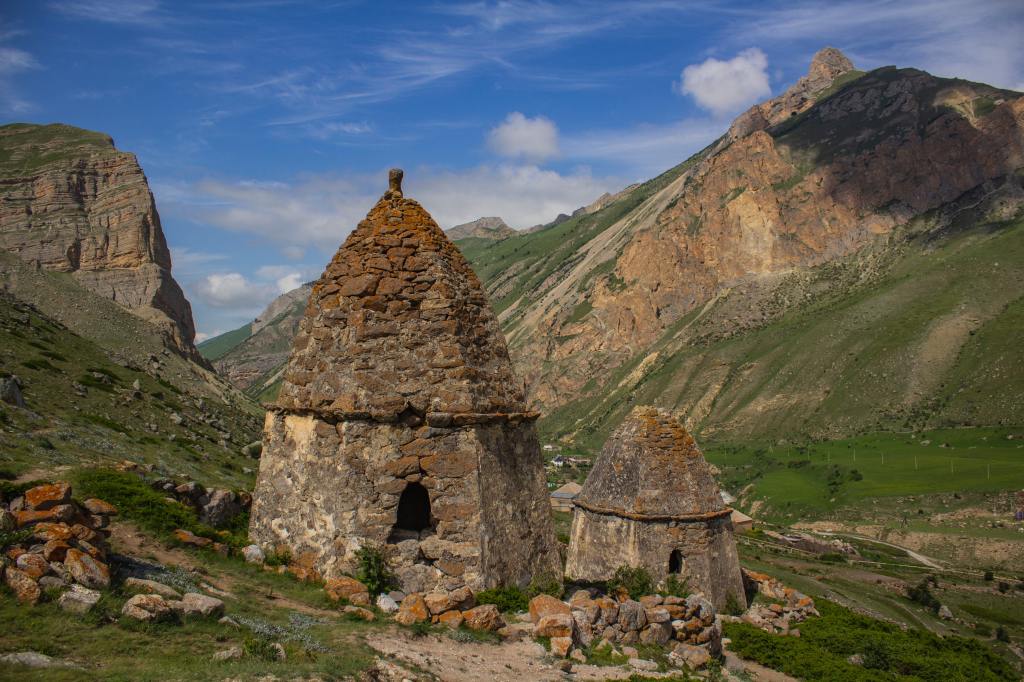
Photo by The Chuqur Studio on Unsplash

A Proverb on the Importance of Know-How

The donkey’s load is rifles, yet still he is eaten by wolves.

Local Oral Tradition

“Your wife is an amazing cook. That soup was fantastic!” my friend exclaimed.

“It’s because there was bacon in it,” I said.

“No, it wasn’t just the bacon. The donkey’s load is rifles, yet still he is eaten by wolves. Yes, she had bacon, but she also knows how to cook.”

This conversation took place yesterday after a late lunch. Some volunteers had recently brought us the culinary holy grail of meals in Central Asia – precooked bacon from the West. We had served it up to a local friend of ours who appreciates this food now made clean by Jesus. Intrigued, I went on to get some further clarification on this new (for me anyway) local proverb.

The saying gets at the importance of know-how. Even though the donkey has the tools needed to fight off the wolves – a load of rifles – he still dies because he cannot use them. In other words, tools are useless without the necessary equipping, the necessary know-how. On the positive side, as my friend used it, it’s not only the presence of good tools or ingredients that should get the credit, but also the one who wields them with skill. The right tools and the right experience – that’s the goal.

By this means wolves can be killed. Or a mean bacon stew can be served.

Photo by Thomas Bonometti on Unsplash

A Proverb For the Initiated

The wet is not afraid of the rain.

Local Oral Tradition

This is a proverb for those who have “been there, done that, got the T-shirt,” although in reference mainly to difficult things. For example, are you volunteering in the church toddler class after successfully surviving the raising of your own offspring? Yet others are bidding you beware? This proverb might come in handy. Gird up your loins, grab the diapers, the storybook Bible, and the animal crackers. The wet is not afraid of the rain.

A Proverb Against Rushing

Satan rushed and both his eyes were blinded.

Local Oral Tradition

This proverb speaks to the damaging effects of rushing upon our ability to make wise decisions. I was able to use it to illustrate a message this past week on John 7:40-52. In that passage we see the hasty and smug Old Testament exegesis of the crowd and the religious teachers, “Has not the scripture said that the Christ comes from the offspring of David, and comes from Bethlehem, the village where David was? …Are you from Galilee too? Search and see that no prophet arises from Galilee.”

Um, guys, what about Isaiah 9:1-7? You know, “Galilee of the nations. The people who walked in darkness have seen a great light… for to us a child is born…” These religious teachers were “blinded” by their hasty focusing upon one Old Testament prophecy – the Christ comes from Bethlehem (Micah 5:2) – to the exclusion of others that presented an apparent contradiction.

But as wise men have said before, apparent contradictions in the scriptures are actually theological goldmines. How can the Christ come from Bethlehem and from Galilee at the same time? How can God be both one and three? How can God choose who believes and still hold us responsible for believing?

Don’t rush, lest ye be blinded and miss out on theological gold. Take the whole counsel of the Word into account when seeking to rightly interpret apparent contradictions.

A Proverb Against Flattery

I eat bread, but I don’t eat yogurt-water bread.

Local Oral Tradition

Translation: I eat bread, but I don’t eat the bread of flattery. Your flattery will not accomplish anything with me. Normal respectful conduct will do just fine, so no buttering up is necessary.

A local idiom for flattery is “making yogurt water.” So, if someone is trying to gain an advantage through flattering speech with you or someone else, you can call that person a yogurt-water man, or you can tell them, “Don’t make yogurt water!” In this context, the above proverb makes a lot more sense. The metaphor of eating bread (receiving complements) relies on another metaphor for flattery (making yogurt water). So the image is of someone eating bread, but refusing to eat bread dipped in said dairy drink.

What is yogurt water? It goes by various names throughout Central Asia, but it’s a drink product traditionally made by allowing milk to ferment in a goatskin, while also rocking that goatskin back and forth on a wood and rope device. It’s tangy and creamy to the taste and can even become carbonated, and is often served ice cold in a silver bowl with dill.

Like most foreigners, I was not excited about the stuff in the beginning. But one blistering hot summer day the bus I was traveling in stopped by a roadside yogurt-water cafe. They were serving it in small buckets, drunk by a ladle, and with a big chunk of ice on the inside. I was converted. Ever since then I have drunk the literal yogurt water, though I do strive not to drink the metaphorical one.

This proverb could serve as a helpful illustration of how to apply Proverbs 27:6 – Faithful are the wounds of a friend; profuse are the kisses of an enemy.

An Idiom of Deep Respect

I kiss your eyes!

Local Oral Tradition

Our local language ties much of its respectful language to the eyes, and to kissing. I’ve never seen anyone actually kiss anyone else’s eyes, but I have heard this phrase uttered thousands of times, and often with genuine respect. Personally, I’m still getting used to other men just kissing my cheeks. You never can tell if it will be an every other side three or four kiss exchange or a four or five time same cheek kiss barrage. Or sometimes they go for the rare shoulder kiss. All must be interspersed with respectful phrases, “My brother! (kiss) My flower! (kiss, gasp), You respectable one! (kiss), May you ever live! (gasp, awkward last kiss, unsure if the other person is finished or not).

For kicks, you could try this idiom out with your Western friends sometime.

“Hey bro, I need some moving help on Saturday. Can you come?”

“I kiss your eyes!” (said with a flourish).

“Um, ok, well… does that mean you can come?”

A Proverb on Wise Buying

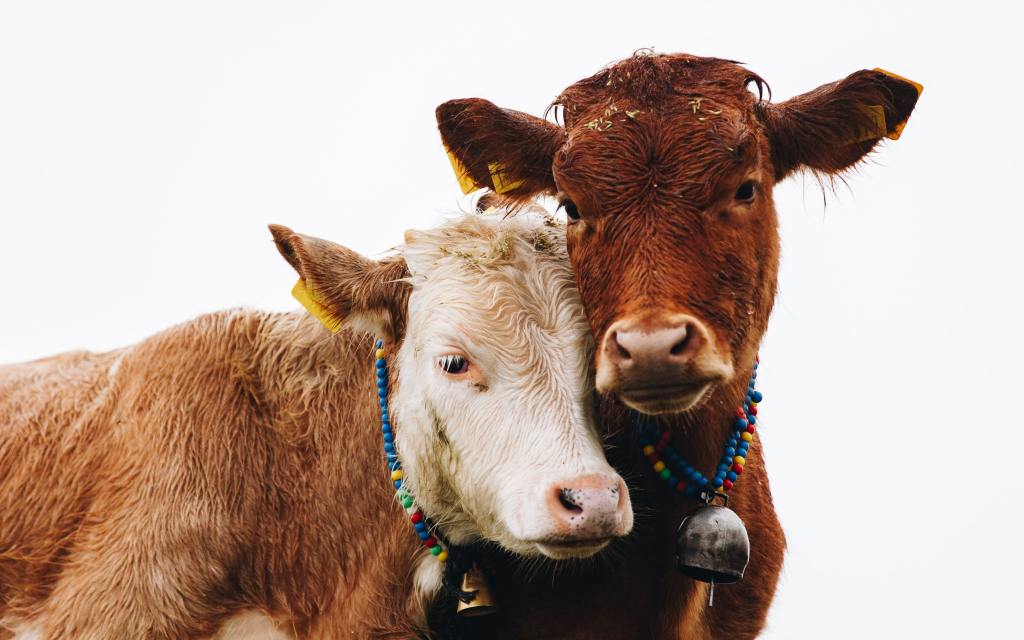
If the cow were still giving yogurt-water, she would still be with the owner.

Local Oral Tradition

“What’s your reason for selling?” This Central Asian proverb encourages buyers to be shrewd, knowing that sometimes the proverbial cow is for sale because she’s stopped producing the very thing you need her for. If it sounds too good of a deal to be true, it is.

Photo by Doruk Yemenici on Unsplash

An Idiom Defending Hard Work

What? You say I’ve just been peeling onions for five years?

Local Oral Tradition

This is an idiom to pull out when a friend seems a little too surprised that you’ve actually been productive or gotten a lot done. “You were expecting something else? Whaddya think we’re doin’ round here?”

I have in fact not been as consistent blogging this past month as I had hoped. Our move to our previous city and the time it took finding and setting up a new house was more work than I expected. But we have been working hard! No peeling onions going on around here, I can assure you of that. I am however looking forward to a more steady schedule now and a return to more consistent writing. After a year of blogging almost daily, it was interesting to have a few weeks where I wasn’t. I truly missed it. And that itself is clarifying and reassures me that this was not just a good one year experiment, but something I’m supposed to give myself to for the long haul.

A Proverb on Unintended Consequences

We went for the beard, but we lost our mustache too.

Local Oral Tradition

Ever had a confident attack backfire? This is a great proverb for that time when you should have held your tongue or refrained from picking that fight with that guy two times your size. This proverb alludes to a disastrous trip to the barber, where all you were hoping for was a beard shave, but in the process you also lose your mustache, a traditional mark of manhood.

Photo by Arthur Humeau on Unsplash