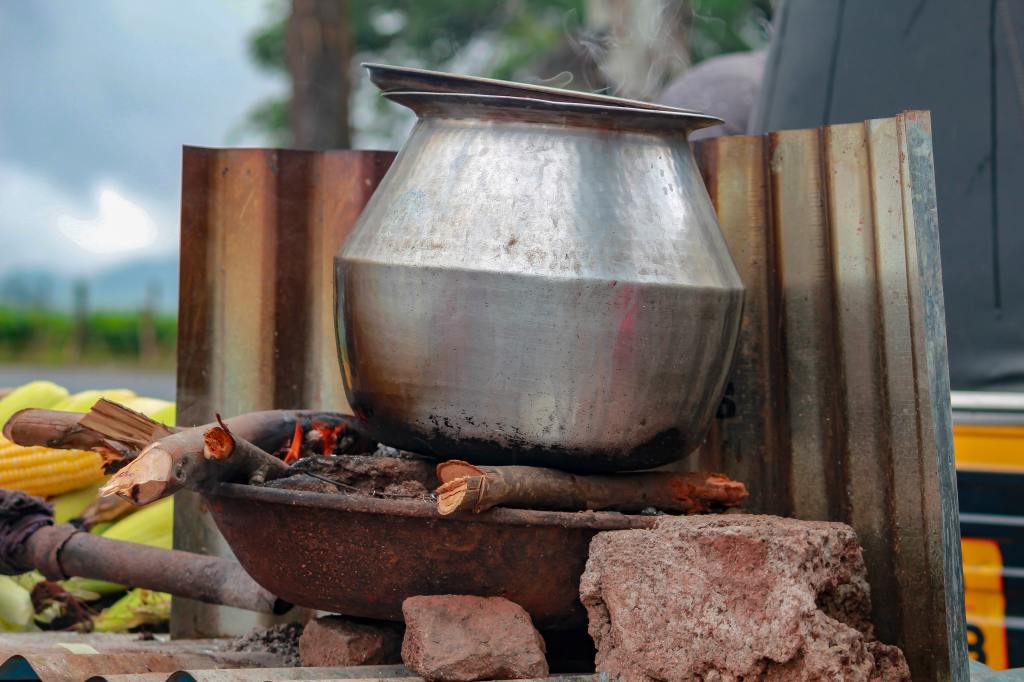
When to Put Salt in the Guest’s Shoes

“Guests are like fish. After three days, they begin to stink.” 

I’m not sure when I first heard this saying, but it sheds light on an experience that seems to take place in every society. Sometimes guests come to stay. And then end up overstaying. Every culture has these sorts of guests who stay, and stay, and stay. And every culture, at some point, develops strategies to try and get rid of them. I’ve heard that some villages in our corner of Central Asia would secretly put a little bit of salt in the shoes of overstaying guests. Allegedly, the salt would somehow trigger a desire in the visitors to depart back to where they had come from. I didn’t know about this practice back when we had a local friend unexpectedly move in with us for nine days. But had I known of it, I just may have tried it. 

Jonathan* was a quirky believer who lived several hours to the south of Poet City*. He had come to faith while a university student in Poet City, and I had gotten to know him during my gap year on the field back when I was a single 20-year-old. To his great credit, Jonathan persevered in his faith when he moved back to his conservative desert city, even though there wasn’t even so much as a secret house gathering there for believers. To this day, there still isn’t. Instead, for his encouragement, Jonathan would travel up to Poet City every few months to worship with believers, to hang out with friends from his college days, and to ask around about jobs that might allow him to move. Understandably, Jonathan hoped to one day live in the more progressive Poet City and to escape the stifling heat and even more stifling Islamic culture of his hometown. 

So, during our first year on the field, when Jonathan contacted me, told me he was coming to town, and asked if he could spend the night at our house, I quickly agreed. Locals in our area are traditionally expected to extend honorable hospitality at the drop of a hat. We weren’t set up super well for hosting overnight guests in our open-concept two-bedroom flat, but we could figure something out for a night or two. After all, we thought, this would be a good cultural experience for us as a new family on the field. 

What I didn’t think to ask myself was why Jonathan was asking for help from us, of all people, brand new foreigners, when he had a decent network of college friends and believers that he already knew in the city. Was there some reason others were not willing to host this seemingly kind and respectable man? No, we didn’t think to ask these questions that more experienced missionaries might bring up. My wife and I simply wanted to try to do what we thought was the honorable contextual thing and host a friend who asked to stay with us. 

On the first evening, I picked Jonathan up from where he was hanging out at a popular row of teahouses and brought him back to our place for supper. Our meal together went well. Jonathan was peculiar in personality, oddly swinging between being very polite and being somewhat blunt. Yet overall, he was a kind and enjoyable dinner guest. 

After supper, Jonathan asked me if I could take him out to buy some peanut butter. At the time, this Western grocery item was only present in the bigger cities, and not where Jonathan lived. But apparently, Jonathan really loved him some peanut butter. So, we went peanut butter hunting and then went out to drink some tea with some of his college friends. 

Jonathan had come to town during the peak of the summer heat. We only had one air conditioner that could work at night on our 10 amps of neighborhood generator electricity. This was the unit in our master bedroom. Because of this, we made the summer nights more manageable for our little family by setting up a fan to blow the cooler air from our room into the kids’ room that was directly next to ours, the air-conditioned air being pushed from room to room through the open doors that met at a corner. 

That first night, we set Jonathan up in our living room as best we could, apologizing that all we could offer him for the night heat in that more private part of the house was a fan. However, since Jonathan was from a city far to the south of us that is much hotter than Poet City, we thought he should pass the night comfortably. We said goodnight and all turned in for the night. So far, so good. We went to bed feeling like decent hosts.

However, it wasn’t long before we heard some loud noises that sounded like porcelain being knocked around. My wife and I sat up in bed and looked questioningly at one another. What was that sound? I crept out of our room to find Jonathan, one leg stretched high, pant legs rolled up, washing his socks and a foot in the porcelain sink outside our little toilet and shower rooms – the same sink where we washed our hands and brushed our teeth. He was doing this so aggressively that the little sink was rocking back and forth on its porcelain stand. This, of course, was what was causing all the midnight racket. 

I thought this was odd. My wife thought it was downright gross.

“Tell him he can wash his feet in the shower room!” She whispered to me urgently when I told her what was happening.  

“Tomorrow. I’ll tell him tomorrow,” I assured her, still trying to make sense of the odd midnight scene I had just witnessed.

We settled back in to try to get to sleep when we were again woken up by the loud clanging of our roof door opening. It appeared that Jonathan had gone up to the flat roof to smoke a late-night cigarette. Smoking is still very common in this part of the world, even among believers, so we didn’t think too much of it. But as the hours passed, we noticed that he seemed to go up to the roof many times for many more late-night cigarettes. He also made what seemed like dozens of trips to the bathroom, which was right next to our bedroom. Eventually, sometime in the early hours of the morning, he at last settled down.  

The next the morning, we asked Jonathan how he had slept. 

“I slept very poorly, due to the heat.” 

Huh, I thought to myself, that’s a little more blunt than I was expecting. And strange that it affected him so much, given how locals are more comfortable in the heat than we are.

“Sorry about that, brother. We heard you up in the night a lot and wondered if it might be because of the heat.” 

“I was also feeling some indigestion, however, from the dinner you served me last night.” 

Wow, I thought to myself again, blunt again. Even in the non-hospitality-oriented West, most guests would at least state this indirectly and let the hosts put the pieces together. 

“Sorry again, our food is maybe a little different from what your stomach is used to.”

I shot a glance at my wife, who was doing her best to wrangle our toddlers and their breakfast demands while also laying out a generous spread of breakfast foods for our guest. Jonathan didn’t seem upset necessarily, just direct and a little condescending. Not unlike a teacher who felt it his duty to correct his students when they gave an incorrect answer. He was a teacher, in fact, newly hired at a private language institute in his hometown.

“Jonathan, would you like yogurt, or eggs, maybe an omelet?” My wife graciously offered. 

“No thanks, just peanut butter, thank you.” 

I saw my wife’s shoulders droop just a little as she realized her generous breakfast spread was all for naught.

After his quick breakfast of peanut butter and a little bit of local bread, Jonathan went outside for another smoke. 

“Well… that was a little rougher than I was expecting,” I said to my wife. 

“It’s okay,” my wife said. “Glad we could host him. Do you know what time he’s heading back to his city today?” 

“No idea, but I’ll try to find out indirectly when I drop him off in the bazaar.” 

To ask Jonathan directly, of course, would imply that we were not happy to host him as long as necessary, and would be very shameful. 

So, when Jonathan and I were close to the market, I tried to get the relevant info out of him. 

“So, what are your plans for today?” 

“Well, I have some shopping to do in the bazaar, then I’ll be meeting up with some friends. Could you pick me up for dinner tonight? 

“Um, yes… yes I can. So, will you be staying longer in Poet City?”

“Oh yes, yes, of course, I don’t want to go back home yet. I am looking for a job. Is it alright if I stay with you again tonight?” 

“Of course it is!” I answered, trying my best to play the honorable and generous host. But something in my stomach told me that we might have gotten a bit more than we’d bargained for in agreeing to host Jonathan in the first place. 

We went out to eat that night and paid for Jonathan’s meal. Strangely, he didn’t argue with me to pay for the bill, as would be customary when friends go out to eat together. I took note, but mostly wrote this off as some dynamic of hosting that we hadn’t learned about yet. 

When we got back to our place, we offered to set Jonathan up in our kids’ room so that he could have the cold air from the one AC unit blown in via our fan setup. Our two-year-old and four-year-old would sleep on floor mattresses in our room. This would mean closer quarters all around, but our family and Jonathan would still have at least a little bit of privacy since we were in different rooms. I was also sure to point out the shower room foot washing options for Jonathan.

However, just after we had gone to bed, Jonathan soon began his same sink foot washing, rooftop smoking, and bathroom routine. After what seemed like hours of this, we finally drifted off, praying for God’s help to be gracious hosts. 

At some point in the middle of the night, my wife shook me awake and pointed. There, on the floor and poking into our bedroom door, was Jonathan’s head, fast asleep and snoring. It took me a minute to realize what I was looking at. Even though the kids’ room was almost as cool as ours, Jonathan must have decided that he needed to be as close as possible to the coolest air, so he moved his sleeping pallet so that he was sleeping with the bottom half of his body in the kids’ room, his upper half just outside the doorframes, and his head stuck just inside our room. He was definitely asleep, but it was a bit unnerving nonetheless to have his head, well, just there, poking into our bedroom. 

The next morning, however, Jonathan seemed downright chipper. We, on the other hand, were starting to feel the toll of hosting. Still, we managed to have a pleasant (simple this time) breakfast together and to get some helpful advice from Jonathan about the local language. 

Second day, same routine. My wife asked me to find out Jonathan’s plans. I tried to do so indirectly. Jonathan ended up asking to stay with us another night. He continued his peculiar nighttime habits, including sleeping with his head just inside our door. My wife and I slept fitfully and woke feeling worse than the day before. 

This went on for nine nights.

Nine. Long. Nights. 

My wife and I soldiered on, but soon began to feel not unlike like Gandalf after his deadly battle with the Balrog.

Darkness took me, and I strayed out of thought and time…”

Eventually, even Jonathan began to pick up on the fact that we were struggling to remain energetic and joyful hosts. 

On day eight, at breakfast, he went into teacher mode again.

“You know, in my culture, it’s very important that you reassure a guest over and over that they are not causing any trouble to you. Otherwise, they may begin to feel insecure about the warmth of their welcome.” 

My wife, fearing her emotions might be displayed a little too obviously on her face, made a quick about-turn for the kitchen.

I took a deep breath and tried to answer in some way that was still kind, but which perhaps hinted at the fact that Jonathan’s welcome was indeed no longer as warm as it once was. 

“Yes… um… thank you for the advice. That’s good to know… Will you be needing a ride to the bazaar today?”  

By this point, we were getting desperate. We needed to find an honorable way out of this situation – and fast. Our little family was at the end of our rope. Our kids were exhausted from sleeping on the floor of our room. My wife and I were exhausted from having them in our room every night – not to mention the nightly presence of Jonathan’s head. We were burning through our meager finances with all of the extra food costs we were incurring. And Jonathan continued to not offer to help with any of these costs, despite regularly asking to eat out together. 

Our guest also showed no indication that he was planning on going back home anytime soon. He kept saying that he was hoping to find a job, but he was not doing any actual job searching. It slowly became clear that he was, in fact, waiting for me to find him a job and a place to rent. Until that happened, it seemed his plan was to just extend his stay with us. 

Clearly, whatever Jonathan’s assumptions were about this whole arrangement, they were wildly different from ours. We just thought we were hosting a believer for a couple of nights. But somehow, we had unwittingly become some kind of patrons now responsible for finding work and housing for our peculiar house guest. We were all for helping a brother out in reasonable ways, but we were in no position to find him long-term work and housing.

Jonathan didn’t seem to be picking up on the many ways we were trying to indirectly and honorably communicate that even though we were hypothetically ready to host him as long as needed, we were not actually able to host him any longer. Even when our indirect communication started becoming more and more direct, he still wasn’t getting it. No, we realized, we’d need to find some way to kick our guest out and still save some face for all parties involved. 

The answer came through a teammate. They were shocked to learn that a local had actually stayed with us for over a week. This was not normal, even for locals hosting other locals. Something was off. This teammate suggested that our family take a trip out of town, and thereby force our guest to figure out different lodging. Thankfully, we did have a trip we had been needing to take to a different city for some government business. By bumping it up a little, we had found a way out. In our local culture, having guests is the kind of thing you can use to get out of almost anything. But if you need to get out of having guests, apparently, having a trip is the magic escape key.

Jonathan did not take the news of our departure very well, seeming at last to understand that we really weren’t holding out on him and we really couldn’t help him in the way he had hoped. He told me that he didn’t have enough money to afford more than a couple of nights at a cheap bazaar hotel and that none of his friends were willing to host him. So, we helped him pay for a night or two at a little hole-in-the-wall hotel. 

As I dropped him off late at night, I felt bad for Jonathan. He seemed pretty down. Things were still respectful between us overall, which I was thankful for. Jonathan still vacillated in his speech between a strange bluntness and an odd propriety. But he did, in the end, say the things he was supposed to say as a guest. We also did our best to tell him how honored we were to host him – even if we were by that point on the verge of tears of utter exhaustion. 

That night, in the absence of feet in the sink, 3 am smoke breaks, and snoring heads poking in the door, my family slept like the dead. 

Looking back, I’m still not exactly sure what to make of Jonathan’s stay with us that summer. Perhaps he was simply wired to miss the normal social cues governing most local hospitality? Perhaps we were sending the wrong signals? It was hard to say, but the fact that he couldn’t find any local friends to host him was an indicator that it wasn’t just us. It seems that Jonathan had overstayed his welcome with others before as well. That meant that he was either of the type who had learned to abuse the local culture of hospitality, or that perhaps something else was going on that meant that, even though he was a local, he didn’t really know (or sense) the rules.

Believe it or not, we did have Jonathan stay with us a couple more times after all of this. But I had learned my lesson and was clear to tell him a certain number of nights we could host, one or two, and to set expectations accordingly. This sort of approach seemed to go much better.

And I think we would still host him if he ever came to Caravan City, albeit with some fear and trepidation. And boundaries. Very clear boundaries.

In all this, we learned that in a culture that extends lavish offers of (often unsustainable) hospitality, there will always be people who, wittingly or unwittingly, take advantage of this. Finding kind and honorable ways out of this is therefore a top priority for all who attempt to extend these offers that most take hypothetically. Because some will take you literally.

When that happens, you just might have to put some salt in their shoes. Or, in case that doesn’t work (and it probably won’t), you can always do as we did – and make an honorable run for it.


*Names changed for security

If you have been helped or encouraged by the content on this blog, would you consider supporting this writing and our family while we serve in Central Asia? You can give here through the blog or contact me to find out how to give through our organization. 

Two international churches in our region are in need of pastors, one needs a lead pastor and one an associate pastor. Our kids’ TCK school is also in need of a math and a science teacher for middle school and high school. If you have a good lead, shoot me a note here.

Blogs are not set up well for finding older posts, so I’ve added an alphabetized index of all the story and essay posts I’ve written so far. You can peruse that here.

For my list of recommended books and travel gear, click here.

Photo from Unsplash.com

The Hospitality of God

The Central Asian believers and I leaned forward around our table, holding the earpieces tight against our ears to make sure we understood the assignment. Simultaneous translation meant that our preaching training was being taught in English, yet we were each hearing it in one ear in the local tongue – a complex, yet not impossible way to learn solid principles for teaching and preaching God’s word. Other tables were made up of believers and leaders from a neighboring people group, hearing the translation in yet another language.

Live translation, when the teacher or preacher pauses to let you translate, takes a fair amount of skill. Simultaneous translation, on the other hand, takes an extra special kind of linguistic ability and mental quickness. The local believing gal we usually hired for this kind of translation was in another country for an ultimate frisbee tournament, of all things, so we were trying out a couple of other believers who had traveled up from Poet City to help with the conference. Of the two of them, the teenage gal -whose parents had in recent years been outed as spies for a neighboring regime- was by far doing the better job.

As she translated, I mulled on the riddle of what to do when a teenager shows all the signs of true faith and a solid commitment to gathering with the body, but it seems that her parents are on the payroll of a foreign Islamic government – and likely reporting on things they’re learning through their daughter. So far, the wisest thing seemed to be to trust God and carry on. If they ended up reporting on this particular training, then at least mom and dad and their foreign handlers would be getting some sound homiletics principles.

“What were those foreigners telling people to do?”

“To make sure they could identify the biblical author’s intended message for the original audience.”

“And then what?”

“To find valid connections from that message to the good news of Jesus.”

“And after that?”

“To apply the main ideas to the daily lives of both the Christians and non-Christians who might be listening.”

“No! Those foreign infidels! Is there no end to their schemes? Make sure to report back if they start talking about how to craft effective sermon illustrations.”

I laughed to myself, thinking about what that kind of conversation might sound like.

“Wait, what are we supposed to do?”

This actual question from one of the brothers at my table brought me back to the current moment.

“Oh, right,” I responded. “The trainer asked if we could read Isaiah 25:6-9 and summarize it with a phrase or title that describes the main idea.”

One of the men at the table cleared his throat and then read out the passage in the local language.

	[6] On this mountain the LORD of hosts will make for all peoples
a feast of rich food, a feast of well-aged wine,
of rich food full of marrow, of aged wine well refined.
[7] And he will swallow up on this mountain
the covering that is cast over all peoples,
the veil that is spread over all nations.
[8] He will swallow up death forever;
and the Lord GOD will wipe away tears from all faces,
and the reproach of his people he will take away from all the earth,
for the LORD has spoken.
[9] It will be said on that day,
“Behold, this is our God; we have waited for him, that he might save us.
This is the LORD; we have waited for him;
let us be glad and rejoice in his salvation.”

After the passage was read, the table was quiet for a minute as we each thought about what major themes were present in the passage. Our Central Asian locals are not typically strong in this kind of exercise. Their educational system majors on rote memorization and repetition. It does not equip them to do things like summarizing a passage in their own words and recognizing the main point. But this was year four of this preaching training, and, slowly but surely, these crucial textual analysis skills were getting stronger.

“The hospitality of God!” one man exclaimed.

“Interesting,” I replied, “Where do you see that?”

“Well, what is the main thing happening in this passage? God is hosting all peoples on top of a mountain for a great picnic with the very best food. Look at how this passage overflows with his generosity and hospitality!”

I took another look, and sure enough, there it was, clear as day in verse 6. I had skipped right over this theme to focus on the theme of God destroying death forever (also a major theme in the passage). Leave it to Central Asians to spot what is obviously an eschatological mountain picnic hosted by God himself when the Westerners skip right past it.

It seemed our British trainer did the same thing I did, because he sort of looked confused when the same man raised his hand during the larger group discussion time to mention the theme of God’s salvific hospitality that had jumped out at him.

This is why it’s so helpful to study the Bible with those from other cultures and backgrounds. It’s not that the meaning of the text itself is relative and shifts according to the culture of the interpreter. It’s that each of our cultures gives us eyes for certain things, and blind spots for others. My culture is weaker in hospitality, so I’m less likely to see that when it’s there in the text. But there are other areas where I can see things because of my background that my Central Asia friends are likely to miss.

This is an argument not just for studying the Bible with those from other cultures, but also with those from other ages. Saints from the past are going to be awake to things to which my generation has grown dull and blind. I need their help to more fully understand the Bible, just as future generations will need ours.

The Bible is so rich and so deep. Sometimes I wonder if God’s plan in allowing so many languages and cultures is, in part, so that we might be better equipped to see more aspects of the Scriptures’ richness and beauty.

As for me, I’d like to spend more time looking for the hospitality of God in the Bible. Now that I’m more ‘awake’ to this idea, it seems to pop up just about everywhere.


We only need to raise 14k ($1,166 per month) to be fully funded for our second year back on the field. If you have been helped or encouraged by the content on this blog, would you consider supporting this writing and our family while we serve in Central Asia? You can do so here through the blog or contact me to find out how to give through our organization. 

Two international churches in our region are in need of pastors, one needs a lead pastor and one an associate pastor. Our kids’ TCK school is also in need of a math and a science teacher for middle school and high school. If you have a good lead, shoot me a note here.

For my list of recommended books and travel gear, click here.

Photo from Unsplash.com
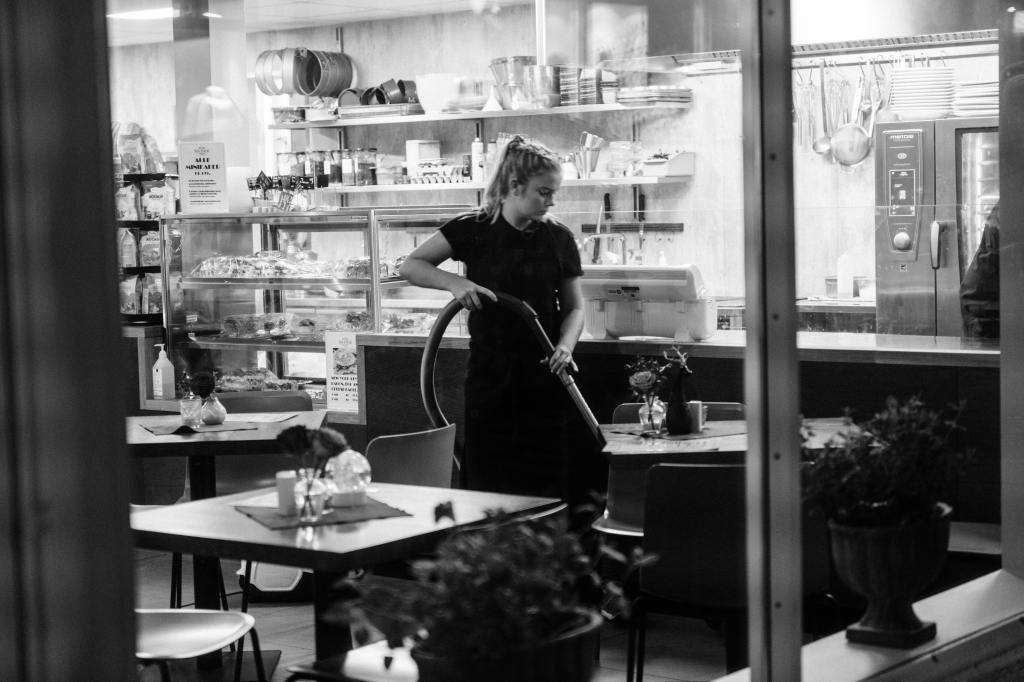
Leaders Who See the Lowly

My wife has always maintained that those going into ministry should first work a few years in food service. Her main point in this claim is that you will never treat that server, barista, or otherwise unimpressive worker the same after you’ve known what it’s like to be in their shoes. My wife worked her way through college, picking up countless shifts in the campus cafe, serving at banquets, and working in the cafeteria. She finished her undergrad with no debt at all, a feat that her future husband was unfortunately not able to replicate.

Most of my wife’s jobs were on the campus of Southern seminary, where she attended Boyce college. Over the four years she worked on campus, her brief or repeated service interactions with students, staff, and visiting leaders gave her a unique window into the character of each. This is because the way we treat those with supposedly unimportant jobs always says something about our humility. Seminary can be a heady place. World-renowned scholars are teaching and being made. Current leaders rub shoulders with future leaders. Famous pastors preach in chapel and visit to give prestigious lectures. In other words, the temptations of fear of man and showing partiality are regularly present, made all the more slippery in that everything is set in a context of preparation for ministry. After all, why slow down and engage the college kid behind the counter in a black apron when standing right over there is the author of your favorite theology book?

These dynamics meant that my wife and others working service jobs always noticed the ones who would indeed slow down and truly engage them as people and fellow heirs of the kingdom. And of course, they would also notice when students or leaders didn’t extend even basic Christian courtesy. Now, everyone has bad days where we are lost in our thoughts or discouraged and forget to make eye contact or interact genuinely with the person behind the cash register. The issue is not what happens as a one-off, but what is the pattern of our lives and interactions with those in everyday or lowly roles around us? Do we truly see and value those around us whom the world deems unimportant? Do we ever slow down and genuinely engage them, seeking even to delight in them? Pay attention to those who do this well, for they are the kind of leaders worth following.

In the field of leadership training, some authors speak of the “waiter principle,” the idea that how a leader treats a server speaks to whether that leader is truly a leader of integrity or not. A true leader will understand that every role in their organization or company matters, and this will affect how they treat those in even the lowest roles. In Central Asia, it’s not so much the restaurant servers who get treated poorly, but the cleaners or the chai boys. When we’ve taught leadership seminars in local universities, we’ve learned to slow down and focus on this principle, because in a patron-client hierarchical society, the culture says that it’s actually shameful for leaders to treat the unimportant with respect. While Western culture is a little stronger on this point, the temptations toward showing favoritism toward the important are really universal. No matter where you live, our sin natures want to judge by appearances, honoring the rich, talented, and important, and belittling or ignoring the poor or average among us.

Somewhere like seminary can illustrate why it can be downright foolish to judge by appearances. That foreign exchange student making your sandwich might in a few years be leading a thriving church overseas and show up on a 9 Marks podcast (as took place in my earbuds this week). The guy doing landscaping may end up planting a church in one of the hardest cities in North America. The gal making your coffee may become a well-known author, or, in my wife’s case, serve faithfully on a frontier church-planting team in a region overseas where many others would never even consider raising their families. Basic wisdom tells us to honor even the lowly because we cannot predict if or when they will be lifted up to a place higher than ours – and if that someday happens, then our honor or shame is tied to how we treated them before.

But this strategic wisdom really shouldn’t be our primary motivation to show respect to those who appear unimportant among us. It still assumes that it’s the potentially-powerful who are worthy of more honor. Instead, the deeper motivation should be that God has welcomed the lowly, honored them, and even delights in them. We need to remember the upside-down logic of the kingdom of God, “many who are first will be last, and the last first” (Matt 19:30). Jesus welcomes little children and rebukes those who don’t (Mark 10:14). He befriends the outcasts (Mark 2:16). He pronounces blessing on the poor and pronounces woe upon the rich (Luke 6:20, 24). Not many of God’s chosen are rich, powerful, and important in this world (1 Cor 1:26-31). The sick and the poor are the true treasures of the church, and every person we interact with has a fascinating story that overflows with God’s glory, and the potential to themselves be eternally glorious – to even be a judge over angels (1 Cor 6:3).

Being reminded of the nature of God’s kingdom can help us live in such a way that we become believers and leaders who truly see the lowly. Picturing that service worker resurrected and remembering that we are to consider others as more important than ourselves (Phil 2:3) can transform our everyday interactions with those around us – and give life to those who often feel invisible. And if seeing and delighting in those deemed unimportant becomes a pattern in our lives, then we are well on our way to developing this character trait of a true and trustworthy leader ourselves.

While I didn’t have too many jobs in food service (Stints at Jamba Juice and Jimmy Johns showed me my hands could never seem to move fast enough), I have often experienced a similar dynamic because I don’t present as physically or interpersonally impressive. I have a pretty average appearance and bearing and I find myself not very good at first impressions in a Western context. This means that those I’m briefly introduced to often quickly move on to those who appear more interesting. I can’t help but notice that there’s often a very different sort of interest shown later – once they learn about my ministry and story. This means that those who show a kind engagement before they know about my background and ministry accomplishments truly stand out. Their posture toward an unimpressive person has shone a light on their character. Without knowing it, they have outed themselves as humble and trustworthy.

I’ll never forget the time I met a very well-known pastor and author during my first week as a green, 25-year-old missions pastor. This leader was a regular speaker at T4G. He had published numerous books and spoken to tens of thousands. He was at our church for an important meeting with our senior leadership, and I was somehow invited to sit in, even though I was the brand new kid on staff. Yet in the hallway, as we made cursory introductions, this leader didn’t quickly move on to talk with the more dynamic leaders like I was used to. Instead, he slowed down and turned to me, deeply interested in the couple of details that my lead pastor had told him about me. Looking me in the eyes, he seemed to be fascinated by what he had heard. He put his hand on my shoulder and said, “Brother, I hear you’re just beginning a new role as a missions pastor. I am so excited about your ministry.” I was so taken aback by this kind of focus that I have no idea what I said in response. It was qualitatively different to be seen in that way. And it made me desire to be the kind of leader who would see others around me, even when they haven’t achieved enough to “deserve” that kind of focus. It also made me want to repent for the times I was guilty of ignoring the unimpressive.

Leaders who see the lowly and unimpressive are the kind of leaders worth following – and the kind of leaders we should want to become. This is because how we treat the lowly is truly a window into our character. Let’s keep that in mind the next time we meet someone who doesn’t appear that important. And if God is calling you to go into ministry, then follow a wise woman’s advice and consider first working some years in food service.

Photo by Steve Long on Unsplash

The Table Grace of Brigid

I should like a great lake of finest ale
For the King of kings. 
I should like a table of the choicest food
For the family of heaven. 
Let the ale be made from the fruits of faith, 
And the food be forgiving love.

I should welcome the poor to my feast, 
For they are God's children. 
I should welcome the sick to my feast, 
For they are God's joy. 
Let the poor sit with Jesus at the highest place, 
And the sick dance with the angels.

God bless the poor, 
God bless the sick, 
And bless our human race. 
God bless our food, 
God bless our drink, 
All homes, O God, embrace. 

-Cahill, How the Irish Saved Civilization, pp. 174-175

This is a prayer associated with Brigid, the abbess of an Irish monastery in the early 500s famous for its hospitality. This prayer reminds me of Lawrence of Rome, who, when asked in the persecution of 258 to surrender the riches of the church to the emperor Valerian, presented the poor, the crippled, and the widows, inviting the emperor to “Come out and see the wondrous riches of God.”

This kind of ancient Christian delight in the poor and the sick strikes me as very different from what I am used to hearing emphasized in my circles. And that makes me curious. Why might that be? What would it look like for us to not just teach a theology of suffering, but to have a culture and language that better reflects the “great reversal” that the New Testament so often speaks of?

In this new year, may our poor also sit with Jesus at the highest place, and our sick also dance with the angels.

Photo by K. Mitch Hodge on Unsplash

To support our family as we head back to the field, click here.

For my list of recommended books and travel gear, click here.

Heroically Hospitable Monks

On a plain to the east of the Lower Lake, the monks built what would become in time a kind of university city, to which came thousands of hopeful students from all over Ireland, then from England, and at last from everywhere in Europe. Never forgetting the prehistoric Irish virtue of heroic hospitality, the monks turned no one away, as is confirmed in this description of a typical university city, given to us by the Venerable Bede, first historian of the newly emergent English people:

“Many of the nobles of the English nation and lesser men also had set out thither, forsaking their native island either for the grace of sacred learning or for a more austere life. And some of them indeed soon dedicated themselves faithfully to the monastic life, others rejoiced rather to give themselves to learning, going about from one master’s cell to another. All these the Irish willingly received, and saw to it to supply them with food day by day without cost, and books for their studies, and teaching, free of charge.”

Cahill, How the Irish Saved Civilization, pp. 157-158

Photo by Michelle Rumney on Unsplash

Inviting Afghan Refugees Over for Dinner

In this post, I want to link back to a hospitality guide I wrote some years ago. I wrote this practical guide in order to equip Western Christians to open up their homes and show hospitality to Middle Eastern and Central Asian friends and neighbors. With the new influx of Afghan refugees, now would be a good time to revisit the opportunity that Christians have to “show hospitality to strangers” (Heb 13:2). Statistically, most of these refugees will never be invited into a Westerner’s home for tea, dinner, or for a holiday. Imagine the powerful kindness, then, felt by a new refugee family who experiences an exception and is welcomed into your home – and the format of the evening is even somewhat familiar for them.

While this guide was not written with Afghans in particular in mind, there should be a large degree of overlap. I did consult with Iranian friends while writing it, so there should be a lot of near-culture familiarity. A couple of notes regarding things I have learned since then:

Toilet shoes. Set out a couple pair of flip flops or slip-on rubber sandals in front of your bathroom/restroom/WC area. Since they leave their outside shoes at the door, Central Asians feel very dirty going into a toilet area in only their socks or barefoot.

Order of entry and exit. At least in our area of Central Asia, the host should step outside and insist the guest should enter the house first. The guest will then politely refuse. After some back and forth of this, the host is expected to go first into the home. This is then reversed on the way out. The host should not exit the house before the guest, as this can imply that they are eager for the guest to leave.

Pictures. Many Central Asians love to take pictures and selfies together to commemorate an event. It’s best to take your guests’ lead on this front. But don’t be alarmed if your dinner gathering ends up posted on their social media accounts. It’s polite to ask to take pictures together if you are the initiator. Try to be sensitive to whether or not the men of the family want their wife or daughters included in the pictures.

Here is the link to the post containing the hospitality guide. As you hear of Christian friends who have opportunities to host Aghans that are being resettled, feel free to pass this guide along. And if any of the advice in this guide proves to be irrelevant or unhelpful for Afghan culture, then I would love to know that. Happy hosting.

Photo by Mehrshad Rajabi on Unsplash

Will You Consider Hosting Refugees When Normal Returns?

Yesterday a local friend was helping me move a big mattress for a teammate. In between waddling and heaving the awkward thing, we somehow got into a conversation about how hard it is for many Middle Eastern and Central Asian refugees who are resettled in the West.

“My living room in the US was often visited by refugee friends,” I told him. “They would sit, drink chai, and lament about how there were no people out on the streets, no people mixing in public, no equivalent of the tea house or the bazaar. Just work, more work, then car, home, TV, and repeat it all again. It’s a hard life in the West.”

I remember being puzzled at how often the comment about “no people on the streets” was repeated. This ache for living somewhere with more human interaction was a constant theme that came out as we sat together and kept the dark black tea spiced with cinnamon and cardamom (and plenty of sugar) flowing. The desire to simply see more people on the sidewalks and in public hinted at a much deeper sadness – the absence of true friendship for most of my refugee friends in America. Having lost their natural relationship networks back in their homeland, they now found themselves in a land that felt utterly starved of community – even without the language and culture barrier they had to contend with.

During that season of our lives we lived in an apartment complex where many refugees were resettled. We used to open up our apartment and the one across the hall for a weekly community potluck-style meal and text all our international friends to come and join us. Once a month we would also turn the green lawn in front of our apartment building into a “Community Cafe.” We would set up a small canopy, get some tea and coffee brewing, set out some chairs, put up a sign, and invite anyone who walked by.

I remember one autumn day sitting down in our “cafe” next to a Saudi student and looking around at the various groups of people chatting. Iranian men – Persian, Azeri, Kurdish, Luri – were gathered in one corner. A couple Iraqi Arab friends had also come by and were dumping incredible amounts of sugar in their tea. The ladies were busy getting to know some Eritrean women. And a Nepalese believer was energetically connecting with a Hazara friend from Afghanistan. Strange as our pop-up cafe was for their cultures and for ours, it was proving to be an encouraging environment for our international friends. It was leading to conversation and friendship, and our friends were soaking it in like a Somali refugee in the Minnesota winter huddles in the heat lamp at the bus stops. What a kindness simple conversation and friendship can be to the lonely and those far from home. How their eyes light up when someone really wants to know their story and to learn about their culture.

It also doesn’t have to stop at tea and friendship. Friendship can lead to sharing the gospel, Bible studies, and new believers. And though we didn’t get this far, it can even lead to a new church plant. Oh for a thousand new church plants to be formed in the West because believers showed simple kindness and hospitality to the refugees, asylum seekers, and internationals who now live in so many of our urban areas. They are a field ripe for the harvest. And once they come to faith, they are a powerful force for a jaded post-Christian West to reckon with. I may be dismissed as just another white Evangelical trying to proselytize, but when my generously-bearded Iranian friend starts sharing why he became a follower of Jesus, all my secular countrymen don’t quite know what to do with it. So they listen.

Our time in that particular refugee community came to an end about six or seven years ago. Today it’s 2021, and there’s talk of Western nations returning to some level normalcy this summer. A change of administrations in the US also means the numbers of refugees received there will be increased ten-fold. Believers will be emerging from this strange pandemic time-warp eager to gather physically with the body of Christ – and hopefully – eager to engage the lost face to face again.

As many Western nations plan to reopen this year, will you consider hosting and befriending some refugees that live in your community? It’s not that hard. Volunteer as an English tutor at TESOL programs in your city. Choose to buy your tea and hummus from halal markets in your area (google it and you may be surprised), and while there make some friends. Open up your home for regular meals where you invite international students and others – most of whom never get invited for dinner in a Westerner’s home. Especially consider how you can host gatherings around the holidays. Repeatedly offer to help your immigrant neighbors with any tasks they might be confused about – court documents, mail forms, bills, homework, etc. Realize that most refugees, asylees, and internationals don’t have any good friends who are natives of their new host country. Choose to step into that role, even if only for one family.

The missing piece for so many refugees is relationship with trustworthy locals. Government and social programs might abound, but the crucial ingredient for refugee success in their new society is friendship. And as it turns out, friendship is also the key for some very compelling evangelism. Sure, you’ll make plenty of mistakes. That’s par for the course in any kind of cross-cultural ministry. But you might also make some surprising best friends – as I have – and then get to watch them lead your own Western neighbors to faith! Now that is worth a little bit of risky hospitality.

Photo by Amirhossein Bararsani on Unsplash

A Proverb On Not Abusing Hospitality

When you come a lot, the pot is empty.

Local Oral Tradition

In a culture where generous hospitality is expected and celebrated, some will inevitably learn to abuse the system. This proverb helps keep locals in check, helping them make sure that they are not taking advantage of others’ hospitality. If things begin to be lacking – such as the warm repeated assurances of undying welcome, or, God forbid, the food – it likely means you’ve been coming too much. Wait a while to visit again and the “pot” will once again be full and overflowing.

Photo by Rajesh Ram on Unsplash

Why I Would Get a Dog If I Lived in America

This post is for those Christian parents in the US who have managed to make it this far in 2020 without yet getting a dog. You have bravely held out in spite of your kids’ tearful pleading, many of your friends getting puppies, and all those extra quarantine hours at home almost second-guessing your decision to go without a canine companion. Your resilience is admirable. As they say in Hobbiton, may the hair on your toes never fall off. Yet, while I commend your resilience, I will also attempt to provide a cultural-missional justification for getting a puppy – seriously – or at least why I would get one if I lived in the US.

You see, when you leave your own culture and begin to deeply study another, you can’t help but see your own culture back home in a new light. You also have no power over what kind of insights unexpectedly emerge as you, the metaphorical goldfish, get a chance to look back on the fish bowl. These insights are sometimes life-changing and other times, well, they more in the category of, “Aren’t Americans odd for never using their front doors?” Sometimes, these insights helpfully have to do with challenges believers face everywhere, such as how to share the gospel.

Living primarily in the non-Western world and traveling back occasionally, we have noticed a few things about when Americans feel its appropriate to talk to strangers. Generally, it feels like it’s harder to talk to strangers in the US than it is in many other parts of the world. The justification required for striking up a conversation with a stranger that could approach deeper things, things like Jesus, seems to be higher. Especially among the middle and upper classes, a good reason seems to be expected for the question, “Why are you talking to me?” This presents a challenge for those who want to regularly engage others with the good news, yet who also do not want to be unnecessarily rude or awkward.

The exceptions for talking to Western strangers that we have noticed are as follows:

  1. If that stranger is pregnant. If this is the case, not only can you strike up a conversation, but many also strangely impart a flood of unrequested advice and anecdotes. I don’t necessarily recommend this, but we have certainly observed it! On the other hand, go forth and multiply.
  2. If you have one of those amazing extrovert personalities, like my grandpa, and somehow random people just light up when you engage them. However, these charming extrovert types seem to be a small minority. If this is you, you have a gift.
  3. If that stranger has a dog, if you have a dog, or both. If this is true, than the high wall of Western resistance to talking to strangers seems to immediately disintegrate in an unexpectedly warm camaraderie of canine appreciators.

This dynamic about dogs is truly there. If you doubt me, try it out the next time you’re at the park. Approach that intimidating total stranger who is walking their dog. Ask a few genuinely happy questions about their pooch (while asking permission to shower said canine with affection). That scary suburban scowl will immediately melt like you had just dropped a polite greeting in the tribal tongue to the grumpy village grandma. Next thing you know it, you’re being invited to marry one of the villagers – or in the American equivalent, you’ll actually be shooting the breeze with a total stranger who just might become a genuine friend.

We’ve seen this confirmed as we’ve spent the last few months in the US. Even in the midst of a pandemic, those who have dogs, walk them, and take them to dog parks are regularly involved in happy interaction with neighbors and strangers. Dogs even make Americans warm up to families with lots of small children, which aren’t always appreciated by mainstream American culture. Friends who have recently acquired dogs have confirmed that it’s been one of the best things for getting to know their neighbors.

All of this leads me to this conclusion: In America, having a friendly dog is a big win for hospitality and meeting strangers. A canine might set you back if your primary ministry is with refugees, but if you live and work primarily among mainstream middle class folk or other similar demographics, a dog is a serious tool for mission!

We live in Central Asia and so far we still sense that a dog would be more of a hindrance to knowing our neighbors than a help. Dogs are traditionally viewed as religiously unclean and dangerous, due to an unfortunate hadith (authoritative religious tradition) where the angel Gabriel tells Mohammad that he hates dogs and won’t come in the tent where young Aisha has hidden a puppy. However, the younger generation is slowly beginning to adopt more of a dog culture.

But, if I lived in America, I would get a puppy and work so that he grows up trained and friendly. Then, as a family we’d think through what stepping-stone invitation makes sense next for the acquaintances we’d make at the dog park or in the neighborhood. Even before the lock downs, Americans were starved for community and friendship – though they are slower than internationals to accept a quick offer of hospitality.

Like when we lived in the US before, we’d probably aim to invite contacts to some kind of weekly or monthly open meal or coffee/chai time at our house or a park where we bring in our relationally-gifted international friends who are believers and pros at the art of good conversation and friendship-building around food. Then with that normal rhythm of hospitality, we’d have a way to simply bless our neighbors with good food or coffee and community. And as always, with prayer and intentionality, this simple yet rare kind of gathering would lead to many gospel conversations. In the past, pairing a regular time like this with a regular Bible study happening another time of the week led to a natural next step.

So, if you’ve been on the fence about getting a dog, let me add one more point in favor of doing so. When done well, having a dog in America can make you more approachable and even more hospitable. In a culture starving for genuine friendship and community, a dog, of all things, could be exactly what God uses to help you reach your neighbors. It’s a bridge of common ground that somehow helps Americans sidestep their normal avoidance of engaging strangers. It’s no silver bullet, but it could help in one of the hardest parts of engaging the lost in busy America – finding regular and natural ways to meet and befriend strangers. Meeting can lead to hospitality which can lead to Bible study which can lead to new birth – and to eternal friendship in the resurrection.

The first phase of mission is always access. So, consider the ways a furry and slobbery friend might increase your access to the lost.

Photo by Karsten Winegeart on Unsplash

Getting Practical: How to Host a Middle Eastern Friend

The Western Church faces a growing challenge and opportunity. Our cities, once culturally Christian and populated by people more-or-less similar to us, are now inundated with immigrants and refugees, many of whom are Muslims from the Middle East. For example, any major American metro area is likely to have at least several thousand new residents who are Arab, Persian, Turkish, Kurdish, Somali, or of other Middle Eastern ethnicity. The cultural distance between these newcomers and North Americans is not to be understated. Yet the same gospel which compels us to send missionaries to the Middle East also compels us to reach the Middle-Easterners who are now our neighbors. How then can the Church be equipped to practically reach out so that evangelistic conversations and relationships can take place, and so that Middle-Easterners can repent and believe in Jesus Christ? Equipping the Church in good hospitality is one way to make a major impact in reaching local Middle-Easterners with the gospel.

Why hospitality? Modern Westerners are generally weak in hospitality compared to many other cultures. Conversely, in the culture and worldview of a Middle-Easterner, hospitality remains an extremely important value. Often Middle-Eastern families live for years in Western nations without ever being invited into a Western home. If a Westerner were to not only host a Middle- Easterner, but host them well, this would make a major impact and open the door wide for friendship and spiritual conversation. But not only is good hospitality strategic, it is also biblical. Let us remember that Jesus himself ate meals with sinners and Pharisees (Matt 7, Luke 19). In these settings, while eating together, he shared powerful truth about the kingdom of God. We ourselves are commanded in Hebrews, “Do not neglect to show hospitality to strangers, for thereby some have entertained angels unawares” (Heb 13:2).

Important Gospel and Culture Disclaimer

Before we begin with some basic cultural guidelines, we should acknowledge that these rules are not meant to be unbending laws that Christians must follow or else be doomed to fail in their evangelistic outreach. They are meant to equip, not to paralyze. We should expect to commit cultural blunders. Often our friends will graciously ignore these blunders, will be understanding, and will give us the benefit of the doubt. Genuine love covers a multitude of cultural faux pas. Follow these rules with freedom and trust in God. Do not trust in your cultural expertise or lack thereof. Your friends’ salvation is in God’s hands and only possible through his power. Under-gird all of your cultural efforts with believing prayer and earnestly seek to love your guests through honoring their culture (Rom 12:10).

Keeping this perspective in mind, the following are some basic guidelines to follow when hosting a Middle-Easterner.

Culture and Values

At the values level, Middle Easterners strive to be above reproach in their hospitality and generosity. The opposite attributes of being inhospitable or stingy are shameful and to be avoided at all costs. When hosting friends from the Middle East, generosity, warmth, gratitude, and attentiveness are important ways to communicate love. Keep in mind that some aspects of American culture, specifically our casual “make yourself at home” hospitality and valuing of frugality, can actually be offensive and rude in Middle Eastern culture. Strive to be a host who is generous, welcoming, thoughtful, intentional, and joyful. If these things characterize your hospitality, you will do well.

The Invitation

In many Middle-Eastern cultures it is very appropriate to invite someone to your home at the first meeting or anytime afterward. An Afghan proverb states that “the first day we are friends, the second day we are brothers.” Middle Easterners extend hospitality quickly and can throw themselves into deep friendships quickly. Sometimes your friend will decline your invitation the first time in order to avoid the appearance of taking advantage of you. Kindly press your friend and usually they will happily relent, realizing that you truly do want them to come and are not merely being polite. Be sure to communicate how honored and happy you would be to have them in your home.

Clothing

In preparing for a visit, it is wise to think through how you will dress. In Middle-Eastern culture the way you dress communicates respect for yourself and for your guest. When hosting a friend for the first time men should dress smartly. Wearing a collared shirt is a good rule of thumb. Women should dress smartly, but modestly. It’s often appropriate to wear a longer skirt, or if wearing jeans, with a longer top that covers the hips. It is also important that tops be modest and not too tight, with sleeves that go to the elbow or forearm and without revealing necklines. Women should also be careful not to have wet hair when a guest arrives, since wet hair can sometimes carry loaded cultural connotations. Wearing socks in the home, for hosts and guests, is generally more polite than being barefoot. Even if you normally wear shoes in your house, doing so while hosting might be an unnecessary (even scandalous) distraction, so it would be best to remove them.

Cleanliness

Your mother was right. A clean home really does convey respect to guests, at least if they are from the Middle East. Middle Eastern women keep their homes and especially their hosting rooms immaculate. Clean before your guests arrive and put away the clutter so common in Western living rooms. No tour of the house is expected, as in many American hosting situations, so it is OK if you are unable to clean the entire house. As long as the areas you host in are respectfully clean, you will do well.

Arrival

When your guests arrive, greet them warmly at the door. They will automatically take off their shoes. You do not need to insist that they leave them on. It is usually rude in Middle Eastern culture to wear shoes in the home. The foot and the shoe is viewed as dirty and shameful (Hence the shoes thrown at George W. Bush, the beating of dictators’ statues with shoes, etc.). It is very important that all stand when greeting and that men shake the hands of all men who arrive. Shaking with two hands by cupping your guest’s hand in both of yours is also very polite. Women can shake the hands of women who arrive, but men should avoid shaking hands with women unless they extend theirs. Women likewise should avoid shaking hands with male guests unless they initiate. Take your cues from your guests about whether they find it appropriate for members of the opposite sex to shake hands. Instead, a hand placed on the heart can substitute for a handshake. In general, stay away from hugging until a strong friendship is established.

Sometimes guests will bring a gift if it is their first time to your home. Thank them for it and set it aside, not making a huge deal out of it lest your guest be embarrassed.

Seating

Middle Eastern culture views the seat furthest from the door as the most honorable. You should invite your guests to sit in that seat, or in whichever seat is most comfortable. Often your guest will politely refuse and sit in another seat, not wanting to appear presumptuous. During the visit, watch out for unintentionally pointing the bottom of your foot at your guest. This is a shameful gesture. This can happen when Westerners (especially men) cross their legs such that one foot is resting on one knee. An easy way around this is to sit with your foot underneath the knee you would normally rest it on top of.

Food

As soon as your guest is seated it is polite to bring them a glass of juice or water. Do not ask if they would like something to drink, since in order to be polite, a Middle Easterner will often refuse a direct offer for food or drink the first time in order to not appear greedy. Without asking, simply bring it and set it before your guest. Something cold to drink (water, juice, soda), something to munch on (sunflower seeds, pistachios, cookies) and some tea are usually the normal minimum food and drink requirements for a typical Middle-Eastern visit. Once again, if you ask your Middle Eastern friend if they would like something to eat or drink, they will sometimes say no out of politeness. It is safer just to set out the food. If your friend is not hungry, they will take just a little of it. There is often nothing rude in Middle Eastern culture in drinking only a small portion of a glass or in eating only a portion of one’s plate.

As regards food and drink, Middle Easterners (and hence you as host) always err on the side of abundance and avoid having too little at all costs, even borrowing from neighbors if need be. Keep attentive to refill your guest’s cup. Again, do this without asking. If you serve a meal, remember to prepare more than can be eaten. Don’t be alarmed or insulted if your guest leaves food on their plate. This is their way of signaling that they are satisfied. Or it may just be that they’re still getting used to Western food. In order to be polite, guests will often wait for the host to be the first one to start eating and the last one to finish. Stay away from serving pork or alcohol at all times unless specifically requested by your guest. Black tea or coffee always, always follows a meal. Middle Easterners have a serious sweet tooth and typically take lots of sugar in their tea along with sweets while relaxing after a meal. But as diabetes increases in Middle Eastern populations it’s becoming polite to ask if your guest would like any sugar in their tea or coffee. In some cultures, when the host serves fruit later in the evening, this signals that the visit is drawing to a close.

If you are wondering what to prepare, it is usually a safe bet to go with a rice dish, a meat dish (again, no pork!), and a salad or vegetables. Also buy some flat bread or pita bread if you can find some at a local grocery store (or halal market – google it) and serve this along with the meal. Many Middle Eastern recipes are also available online and can be very helpful and delicious.

It is always appropriate to pray before a meal. Simply inform your guests before you begin the meal that you are going to ask God’s blessing for the meal. Do not be afraid to pray in the name of Jesus, a name most Middle Easterners greatly respect. It is highly unlikely that this will offend your guests. Many will even appreciate this and ask questions about how Christians are supposed to pray.

Conversation

Engage your guests in conversation. If you don’t know where to start, ask questions about their home country and their family. Show an interest in who they are and where they came from and make connections where you can. Doing some internet research beforehand about your guest’s home country and society can equip you with good questions which can then lead to profitable conversation. Middle Easterners are often more willing than Americans to discuss politics and religion so don’t get uncomfortable if these topics come up. At the same time, be sober-minded, tactful, and gentle when discussing sensitive issues. Many Middle Easterners have lived through terrible suffering and personal tragedy. Your willingness to listen well can be used of God to truly minister to your guest.

Beware of making direct compliments regarding clothing or jewelry as sometimes this will put an obligation on your guest to offer you the item you just complimented. Asking where they bought said item or being sure to add that it looks nice on them politely avoids implying that you want your guest to give you a certain possession. Having your hands in your pockets or your arms crossed can imply that you’re not listening to your guest. Avoid these postures if you can. Also be aware that unless you are close friends with your guest, physical affection between spouses in front of guests is not appropriate. Physical affection among those dating or engaged is never appropriate when hosting Middle Easterners.

Middle Eastern visits are long, prioritizing people over schedules. Understand that for the first few visits you will need to set aside most of the evening to focus on your guests, not trying to fit them into a one hour slot in your calendar. By giving much time to focus on your guests, you are communicating that you really value them and their friendship. To a Middle-Easterner who has been living in the West, finding a friend who will spend long amounts of time simply visiting and talking is like finding water in a thirsty land.

Children

Children are highly valued in Middle-Eastern culture and much delighted in. If you have small children or babies especially, your guests will often shower them with affection. Often, modern Middle-Eastern children are undisciplined and somewhat spoiled, so don’t be worried about your guests if your kids get a little out of hand. Your guests in fact may encourage this. Be prepared to handle the aftermath and the sugar crashes, but by all means let your children make friends with your guests. It would also be wise to think through fun and engaging kids’ activities if your guests are bringing their children.

Pets

Many Middle Eastern cultures consider cats and dogs dirty or shameful. Because of this, pets should be put outside or confined to a room when guests are present. The Western tolerance for these kinds of family pets is much lower among many Middle Easterners. This is changing among the younger generation, but it is wise to be careful. Birds, however, are a very common pet in the Middle East.

Goodbyes

It is always polite to walk your guest to the door, or even to their car. Be repeatedly expressive in your gratefulness for your guests and invite them to come again. It is often appropriate to ask to pray on the spot for your guests and many times this is received warmly among Middle Easterners. In this way Christians can be better hosts than others, through our kind intercession for our guests to our loving Father in heaven. An open home and considerate prayer can really open doors for extensive sharing of the gospel. Don’t be surprised if your friends also invite you to their home for the next get-together. Many Middle-Easterners readily enter into mutual hosting relationships, where friends and family regularly visit and host one another.

Sharing the Gospel

Strive to keep the sharing of the gospel as a much-desired result of hospitality, but not as a mandatory obligation. Be sensitive to the Holy Spirit, pray for open doors to speak the gospel, and by no means communicate that your hospitality or friendship is contingent on how they respond to the gospel. Jesus explicitly commands us to host those who cannot repay us (Luke 14:12-14). That means our hospitality as Christians is not an attempt to manipulate any kind of physical or spiritual return. Freely you have received, freely give.

Counter-intuitively, when we extend no-strings-attached hospitality to Middle Eastern friends, this often leads to greater spiritual receptivity and to long and fruitful conversations about Jesus. Let your sharing of the gospel be an overflow of your delight in Jesus and not religious point-scoring. Share your testimony. Hold up Jesus as beautiful and powerful and accompany the tasting of food with an invitation to “taste and see that the Lord is good” (Ps 34:8). Share confidently, but with gentleness, respect, and love (1 Pet 3:15). Do not be surprised at initial resistance to the gospel on the part of your friend. Instead, pray and pursue more opportunities to spend time together. Genuine hospitality and friendship will lead to numerous opportunities to share the gospel clearly and compellingly.

Conclusion

Everything shared in this post comes from a desire to see Western Christians equipped to host Middle-Easterners in their homes. There will be slight variations from region to region regarding these cultural guidelines, so don’t treat these recommendations as law. Some immigrants and refugees will want to do certain things the Western way. These guidelines, however, have been checked and affirmed by many who have lived among Middle-Easterners or who are from the Middle East themselves. God willing, this information can serve as a good foundation to invite a Middle Eastern friend or family to your home. If Middle Easterners and believers begin to sit down in homes and to have meals together, much spiritual fruit can follow. As we break bread together God will give us opportunities to speak of the bread of life, the one whose body was broken for us, the one who promises that he himself will host many from the East and the West at his Father’s table (Matt 8:11, Luke 12:37).

To support our family as we head back to the field, click here.

For my list of recommended books and travel gear, click here.

Photo by Kelvin Yan on Unsplash