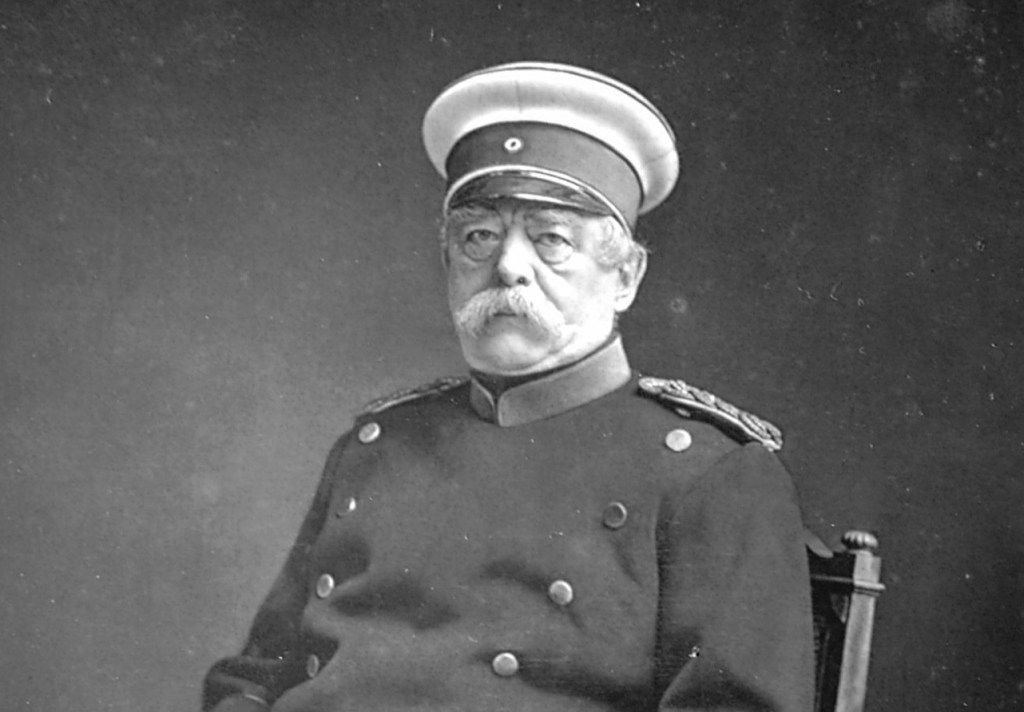
Asked in 1898 to choose a single defining event in recent history, the German chancellor Bismarck replied, ‘North America speaks English’. He was right, as the twentieth century showed. Twice the major powers of North America stepped in to determine the outcome of struggles that started in Europe, each time on the side of the English-speaking forces. Even more, the twentieth century’s technological revolutions in communications, telephones, films, car ownership, television, computing and the internet, were led overwhelmingly from English-speaking America, projecting its language across the world, to parts untouched even by the British Empire. It seems almost as if a world language revolution is following on, borne by the new media.
But though the spread of a language is seldom reversible, it is never secure. Even a language as broadly based as English is in the twenty-first century cannot be immune. It is still threatened by those old causes of language succession: changes in population growth, patterns of trade and cultural prestige. For all the recent technical mastery of English, nothing guarantees long-term pre-eminence in publishing, broadcasting or the World Wide Web. Technology, like the jungle, is neutral.
Ostler, Empires of the Word, xxi
One of the surprises found in the language history of the US is that because of immigration, German once stood a decent chance of taking over as the dominant language. To this day, the most common ethnic heritage of Americans is not English, but German. I wonder if the chancellor’s remark betrayed an awareness that masses of the German-speaking community were in fact being absorbed into another one – and that shifting allegiances would follow such a realignment.
To support our family as we head back to the field, click here.
For my list of recommended books and travel gear, click here.
Photo from Wikimedia Commons

 Entrusted to the Dirt