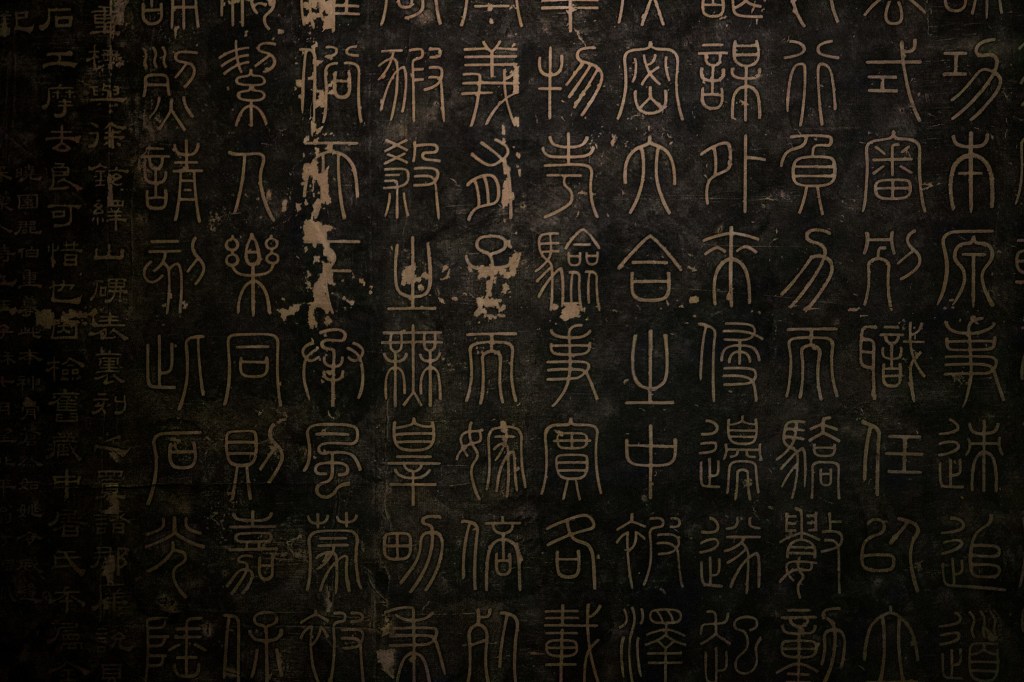
Far more than princes, states, or economies, it is language-communities who are the real players in world history, persisting through the ages, clearly and consciously perceived by their speakers as symbols of identity, but nonetheless gradually changing, and perhaps splitting or even merging as the communities react to new realities. This interplay of languages is an aspect of history that has too long been neglected.
Ostler, Empires of the Word, xix.
While we know that the true “real players” in world history are spiritual forces, it’s wise to acknowledge the massive role that language communities have and continue to play as secondary movers in world history. As is the case with languages like Greek, Arabic, or English, a language “empire” can outlast the original political one that led to its rise, and continue to exert tremendous influence while wearing multiple new sets of political or national clothing.
For my list of recommended books and travel gear, click here.
To support our family as we head back to the field, click here.
Photos are from Unsplash.com

 Entrusted to the Dirt